What is the Difference Between Silicon and Silicone
Last updated

Many people use the words silicon and silicone interchangeably, but they are actually two very different materials. Although their names look almost identical and both are related to the element silicon, they have completely different properties, structures, and applications.
Understanding the difference between silicon and silicone is important, especially when choosing materials for products such as kitchenware, baby products, medical devices, electronics, and industrial components.
In this article, we will explain what silicon is, what silicone is, how they are different, and why silicone has become one of the most widely used materials in modern manufacturing.
What Is Silicon?
Silicon is a natural chemical element with the symbol Si and atomic number 14 on the periodic table. It is a type of metalloid, meaning it has properties between metals and non-metals.
Silicon is one of the most abundant elements on Earth. It is usually found in nature combined with oxygen as silicon dioxide (SiO₂), which is the main component of sand, quartz, and many types of rocks.
Pure silicon is produced through industrial processing and is mainly used in high-tech industries.
Common Applications of Silicon
Silicon plays a critical role in modern technology. Some common uses include:
1. Electronics and Semiconductors
The most famous use of silicon is in the electronics industry. Silicon is a semiconductor, meaning it can control the flow of electrical current.
It is widely used to manufacture:
- Computer chips
- Smartphones
- Solar panels
- Transistors
- Integrated circuits
The semiconductor industry depends heavily on silicon because it is stable, widely available, and has excellent electrical properties.
2. Solar Energy
Silicon is the primary material used in most solar panels. When sunlight hits silicon cells, it creates an electrical current that can be converted into usable energy.
Because of this, silicon is a key material in renewable energy development.
3. Glass and Construction Materials
Silicon dioxide (silica) is used to produce:
- Glass
- Cement
- Ceramics
- Concrete additives
Although these materials contain silicon, they are not the same as pure silicon.
What Is Silicone?
Silicone is a synthetic polymer made from silicon, oxygen, carbon, and hydrogen. Unlike silicon, which is an element, silicone is a manufactured material.
The basic structure of silicone contains a chain of silicon-oxygen (Si-O) bonds, which gives it unique characteristics such as flexibility, heat resistance, and durability.
Silicone is available in many forms, including:
- Silicone rubber
- Silicone gel
- Silicone oil
- Silicone coatings
- Liquid silicone rubber (LSR)
Because of its excellent performance, silicone is used in many industries, from consumer products to medical applications.
Common Applications of Silicone
1. Baby Products
Silicone is widely used in baby products because it is soft, durable, and easy to clean.
Examples include:
- Silicone baby bibs
- Silicone baby bowls
- Silicone plates
- Silicone teethers
- Silicone pacifiers
- Silicone feeding sets
Food-grade silicone is often selected for these products because it can withstand high temperatures and is designed for repeated use.
2. Kitchenware and Food Products
Silicone has become a popular alternative to plastic in many kitchen applications.
Common silicone kitchen products include:
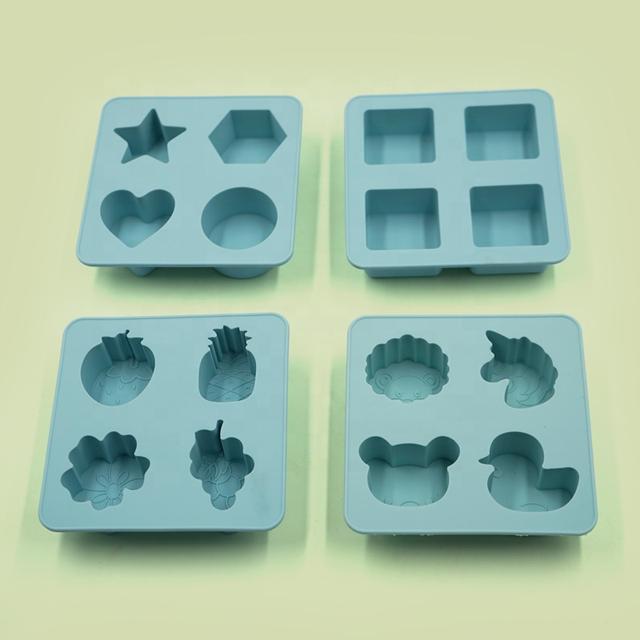
- Baking molds
- Ice trays
- Spatulas
- Food storage bags
- Cooking utensils
- Silicone lids
The advantages of silicone kitchenware include:
- Heat resistance
- Flexibility
- Non-stick properties
- Easy cleaning
- Long service life
High-quality food-grade silicone can handle both hot and cold temperatures, making it suitable for cooking and food storage.
3. Medical Applications
Silicone is widely used in the medical industry because it is biocompatible and stable.
Medical silicone products include:
- Medical tubing
- Silicone implants
- Respiratory masks
- Wound care products
- Laboratory equipment
Its flexibility and resistance to chemical reactions make silicone suitable for sensitive medical applications.
4. Industrial Products
Silicone is also important in industrial manufacturing.
It is used for:
- Seals and gaskets
- O-rings
- Waterproof components
- Electrical insulation
- Automotive parts
Silicone can maintain performance in extreme environments, including high temperatures, cold temperatures, and exposure to chemicals.
Silicon vs Silicone: Key Differences
Although they have similar names, silicon and silicone are completely different materials.
| Feature | Silicon | Silicone |
|---|---|---|
| Type | Chemical element | Synthetic polymer |
| Chemical Symbol | Si | Contains Si-O bonds |
| Natural or Synthetic | Natural element | Man-made material |
| Main Elements | Silicon only | Silicon, oxygen, carbon, hydrogen |
| Appearance | Hard, metallic-gray solid | Flexible rubber-like material |
| Main Uses | Electronics, solar panels | Consumer products, medical, industrial |
| Flexibility | Hard and brittle | Soft and flexible |
| Heat Resistance | Limited in normal applications | Excellent heat resistance |
Why Does Silicone Contain Silicon?
The confusion between silicon and silicone happens because silicone is made from silicon.
During manufacturing, silicon is extracted from silica and processed into silicon-based chemical compounds. These compounds are then combined with oxygen, carbon, and hydrogen to create silicone polymers.
The silicon element provides the foundation of silicone's structure, but silicone has completely different properties because of its chemical structure.
A simple way to remember:
Silicon = an element used mainly in electronics.
Silicone = a flexible polymer used in products and manufacturing.
Is Silicone Safe?
One of the most common questions about silicone is whether it is safe for everyday use.
High-quality silicone, especially food-grade silicone, is considered safe for applications involving food contact when it meets appropriate safety standards.
Food-grade silicone is commonly tested for:
- Temperature resistance
- Chemical stability
- Food contact safety
- Durability
This is why silicone is widely used for:
- Baby feeding products
- Baking products
- Kitchen tools
- Food storage products
However, the quality of silicone matters. Low-quality materials or poorly manufactured products may not provide the same performance and safety.
When purchasing silicone products, buyers should consider:
- Material certification
- Manufacturing standards
- Supplier experience
- Product testing
Silicone Manufacturing Process
Silicone products are created through several manufacturing processes depending on the product design and requirements.
Common silicone manufacturing methods include:
1. Compression Molding
Compression molding is one of the most common methods for silicone products.
During this process:
- Silicone material is placed into a mold.
- Heat and pressure are applied.
- The silicone cures and takes the shape of the mold.
This method is widely used for:
- Silicone baby products
- Silicone kitchenware
- Silicone seals
2. Liquid Silicone Rubber (LSR) Injection Molding
LSR molding uses liquid silicone rubber injected into precision molds.
Advantages include:
- High production efficiency
- Excellent product consistency
- Complex designs
- Smooth surfaces
LSR is commonly used for:
- Medical silicone parts
- Baby products
- Precision components
3. Silicone Extrusion
Silicone extrusion creates continuous silicone shapes such as:
- Tubes
- Profiles
- Seals
- Gaskets
The silicone material is pushed through a specially designed opening and cured.
Why Manufacturers Choose Silicone Over Plastic
Many manufacturers choose silicone because it offers advantages compared with traditional plastics.
1. Better Temperature Resistance
Silicone can usually withstand a much wider temperature range than many plastics.
It can be used for:
- Freezing applications
- Hot food containers
- Baking products
2. Longer Product Life
Silicone is durable and resistant to:
- Cracking
- Aging
- UV exposure
- Moisture
This makes silicone products reusable and long-lasting.
3. Flexible Design Options
Silicone can be produced in many shapes, colors, and textures.
Manufacturers can customize:
- Colors
- Logos
- Printing
This makes silicone an excellent material for OEM and custom product manufacturing.
Silicon or Silicone: Which One Do You Need?
The answer depends on your application.
Choose silicon if you need:
- Semiconductor materials
- Electronic components
- Solar technology
Choose silicone if you need:
- Flexible products
- Food-grade materials
- Waterproof seals
- Medical components
- Baby products
- Kitchen products
For most consumer products, the correct term is silicone, not silicon.
For example:
✅ Silicone baby bib
✅ Silicone kitchen mold
✅ Silicone phone case
Not:
❌ Silicon baby bib
❌ Silicon kitchen mold
❌ Silicon phone case
Conclusion
Although silicon and silicone have similar names, they are fundamentally different materials.
Silicon is a chemical element mainly used in electronics, semiconductors, and solar technology. Silicone is a flexible synthetic polymer made from silicon and other elements, widely used in consumer products, medical devices, and industrial applications.
For manufacturers and consumers, understanding this difference helps avoid confusion when selecting materials. Whether you are looking for a durable baby product, food-safe kitchenware, or industrial component, silicone remains one of the most versatile and reliable materials available today.
If you are looking for custom silicone products, working with an experienced silicone manufacturer can help you create products with customized designs, colors, logos, and specifications to meet your brand requirements.